The 40 best tools for startups & small businesses (2025 guide)

If you’re launching a startup in 2025, you’re stepping into a landscape that’s more connected—and more competitive—than ever. Ideas are easy. Execution is the real differentiator.

And in the middle of all that execution, one thing defines whether your startup scales or struggles: your toolkit.

Think about it. Every modern startup—whether it’s two people building an AI product or a small remote team creating a SaaS—depends on tools. Tools to communicate. Build. Sell. Automate. Grow.

But with so many “top 10 lists” and hundreds of options floating around, how do you actually decide which tools matter?

Let’s simplify that.

Below, you’ll find a curated list of the best startup tools for 2025—handpicked based on how fast-moving startups actually work today.

We’ll go beyond features and look at what each tool actually helps you achieve, so you can focus on what matters most: building.

1. The Foundation: Productivity and Collaboration Tools

Every startup’s first challenge is chaos.
Ideas flying around in Slack. Deadlines missed. Tasks lost in a Notion doc.

The right productivity setup helps you bring order to that chaos.

Best picks for 2025:

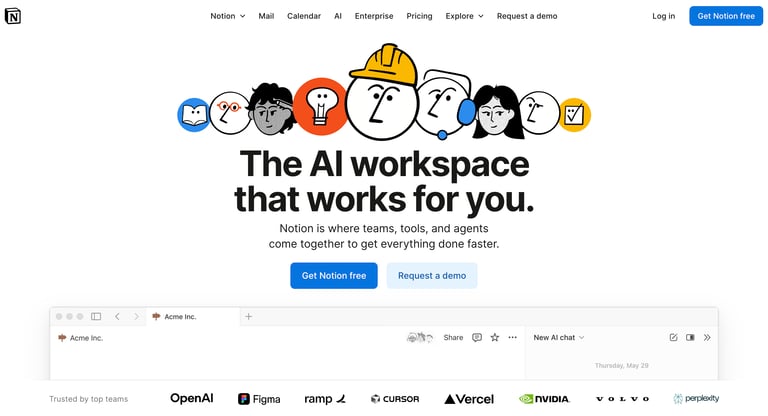
  • Notion – The all-in-one workspace for notes, docs, databases, and project management. If your team lives in Google Docs, migrate to Notion—you’ll never look back. It becomes your internal “second brain.”
  • ClickUp or Asana – Task tracking tools that make daily execution easier. ClickUp is more customisable; Asana wins in simplicity.

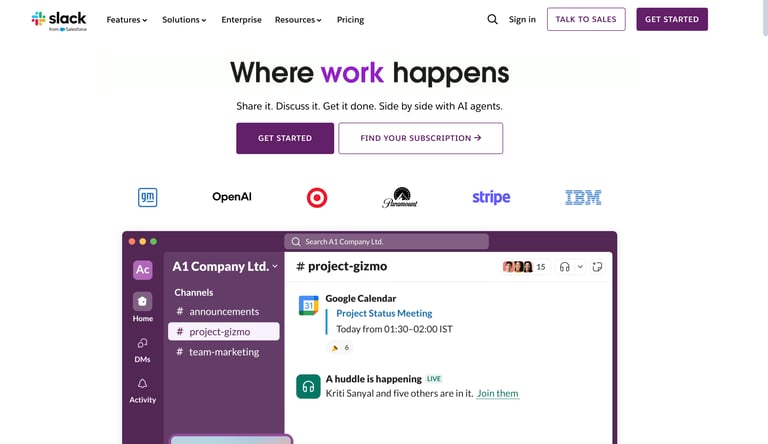
  • Slack or Microsoft Teams – Real-time communication is still non-negotiable. In 2025, Slack’s AI-powered message summarization makes catching up faster than ever.

Pro tip:
Set rules early. For example: all product discussions go to Notion; all quick updates go to Slack. Chaos doesn’t scale—clarity does.

2. Building Relationships: CRM and Sales Tools

Even if you’re still in pre-launch, start tracking your leads and customer conversations early.
Too many startups wait until it’s messy.

Top recommendations:

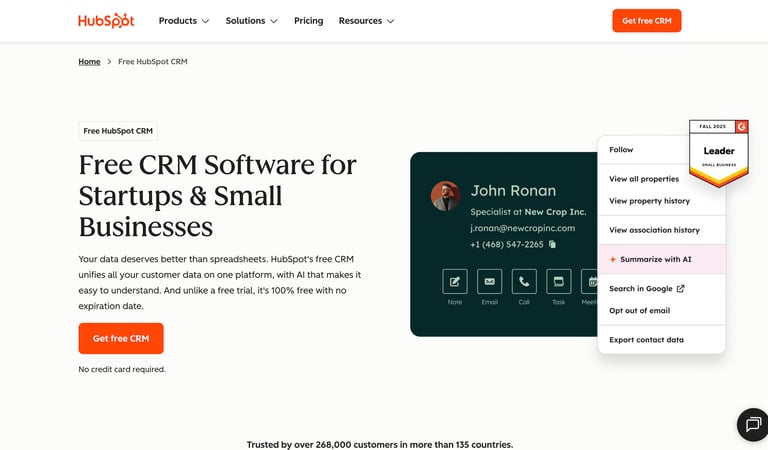
  • HubSpot CRM – Still unbeatable for startups. Free to start, integrates with everything, and scales easily as you grow.

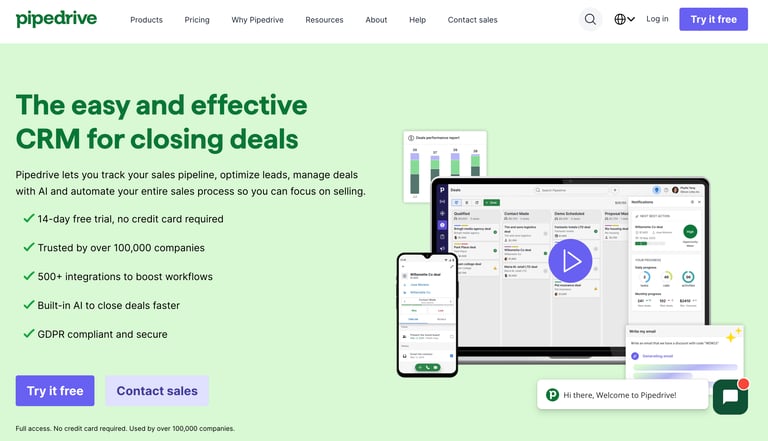
  • Pipedrive – Perfect if you’re sales-heavy and need a visual pipeline to track deals.

  • Apollo.io – For B2B founders, Apollo’s database + email outreach combo gives you an edge in lead generation.

These aren’t just tools—they’re systems that help you build predictable revenue.
And predictability is oxygen for startups.

Pro tip:
Don’t complicate your CRM. Track just what matters: who’s interested, how they found you, and what stage they’re in. Everything else can come later.

3. Design and Branding Tools: Look Professional From Day One

You don’t need a big design team to look credible anymore.
With the right tools, anyone can create a clean brand presence in a few hours.

Tools that make you look bigger than you are:

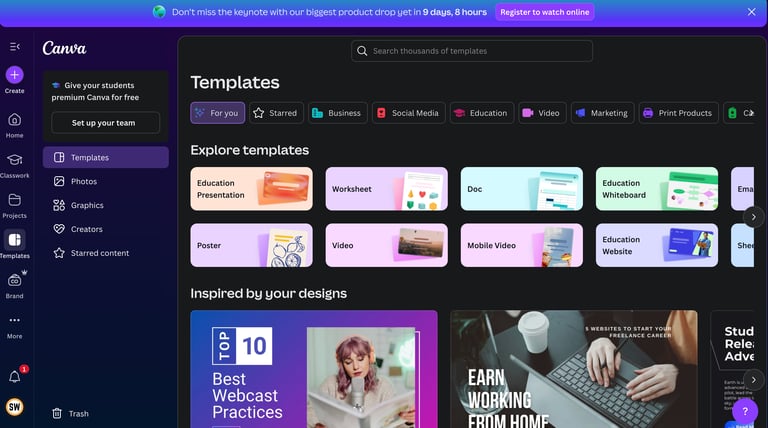
  • Canva – Still the go-to for non-designers. From pitch decks to social graphics, Canva’s templates get you launch-ready fast.

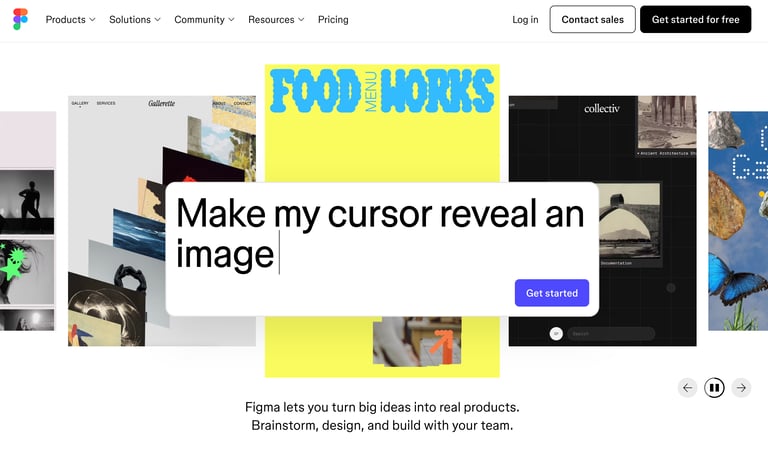
  • Figma – If you’re building a product or app, this is where design lives. The new AI features in Figma can now generate wireframes from text prompts—a massive time-saver for MVPs.

  • Looka or Brandmark – For instant logo creation and branding kits if you’re bootstrapping and not ready to hire a designer.

Pro tip:
Keep your design consistent across everything—emails, website, pitch deck. Consistency is what makes a small startup look like a brand.

4. Marketing and Growth Tools: From Zero to Your First 1,000 Customers

The difference between a good product and a successful one often comes down to distribution.
In 2025, smart marketing tools let you do what used to take a full marketing team.

Essential tools for lean marketing:

  • Ahrefs – The best SEO tool for understanding what your audience is searching for and how to rank for it.

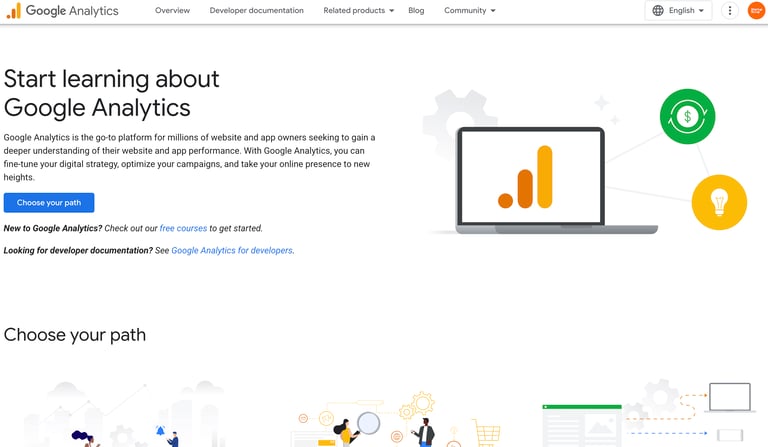
  • Google Analytics 4 – Your data foundation. Know what works and what doesn’t.

  • Buffer or Hootsuite – Schedule and analyze social content across channels without chaos.


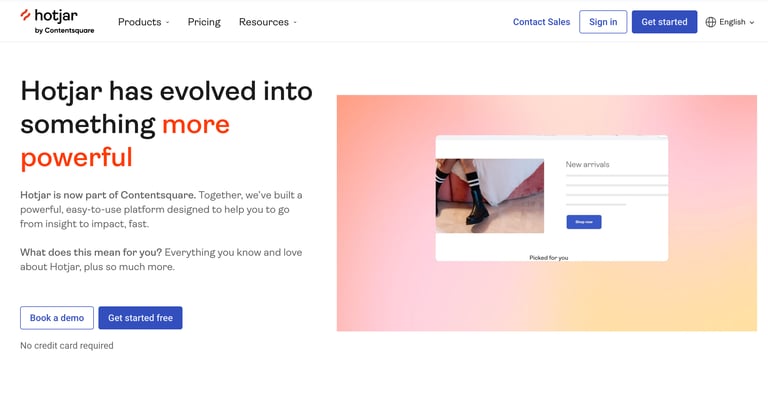
  • Hotjar – Visualizes how visitors interact with your site—what they click, where they drop off, and what confuses them.

Pro tip:
Don’t chase every marketing channel. Find one that shows traction (like SEO or LinkedIn) and double down before expanding.

5. Automation and No-Code: Move 10x Faster Without Developers

2025 is the year of no-code and automation maturity.
You don’t need a full engineering team to launch, test, or automate. You just need the right stack.

Game-changers for 2025:

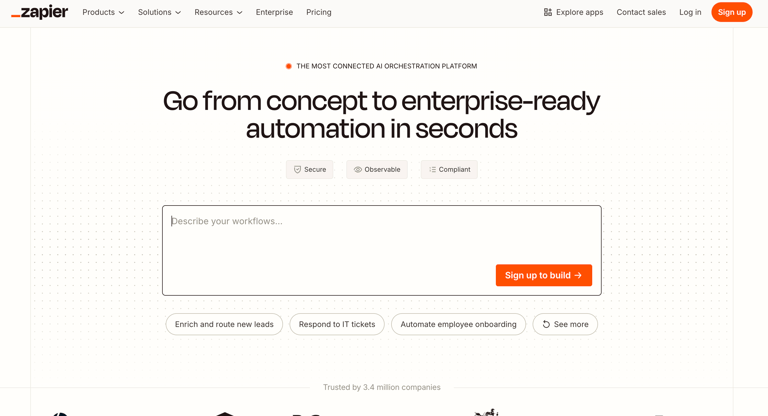
  • Zapier – The classic glue between apps. Build automations that move data, send alerts, or update spreadsheets without writing a line of code.

  • Make (formerly Integromat) – A more visual and flexible alternative to Zapier, great for complex workflows.

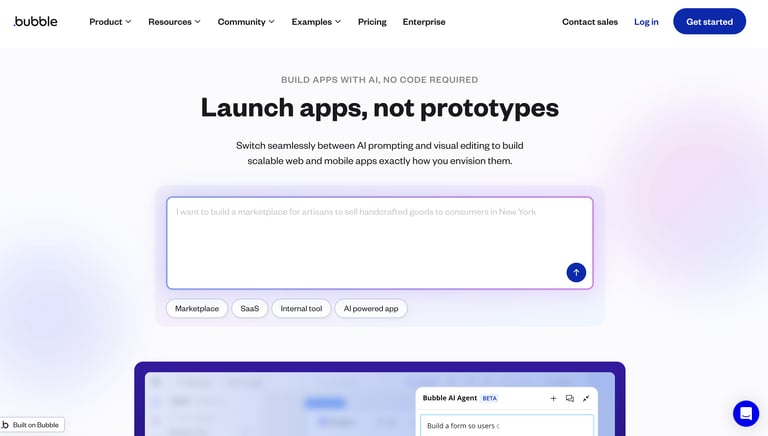
  • Bubble – Build full-fledged web apps visually. Startups are now raising funding with MVPs built entirely in Bubble.

bubble startup scoop
  • Airtable – Combine spreadsheets and databases for custom CRM, content calendars, or inventory systems.

Example:
A founder builds a landing page in Webflow → connects leads via Zapier → adds them to Airtable CRM → sends onboarding email via Mailchimp.
All without code.
That’s modern startup efficiency.

6. AI-Powered Tools: The New Competitive Edge

AI isn’t just a trend anymore—it’s infrastructure.
Every startup that scales in 2025 will have AI woven into its core.

Essential AI tools for startups:

  • ChatGPT / Claude / Perplexity – For research, brainstorming, and even early content drafts. Use responsibly, but it saves hundreds of hours.

  • Fireflies.ai or Otter.ai – Record and summarize meetings automatically. No more missed insights.

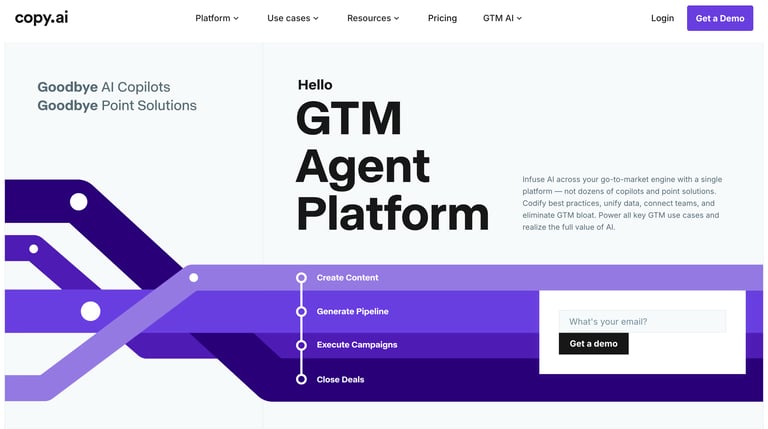
  • Jasper or Copy.ai – For content creation—blog posts, emails, product copy.

  • Midjourney or Leonardo.ai – Generate stunning visuals and mockups in minutes.

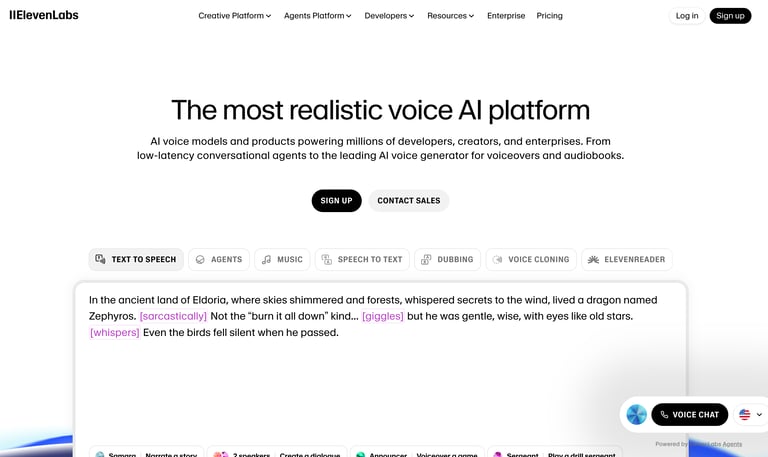
  • ElevenLabs – AI voiceovers for explainer videos or podcasts.

Pro tip:
Don’t replace humans with AI—augment them.
Use AI to speed up 70% of the work so your team can focus on the 30% that really matters: judgment, creativity, and strategy.

7. Finance and Operations: Keeping It All Together

Startups that fail often don’t run out of ideas—they run out of runway.
Managing your finances isn’t glamorous, but it’s what keeps you alive long enough to succeed.

Top tools for 2025:

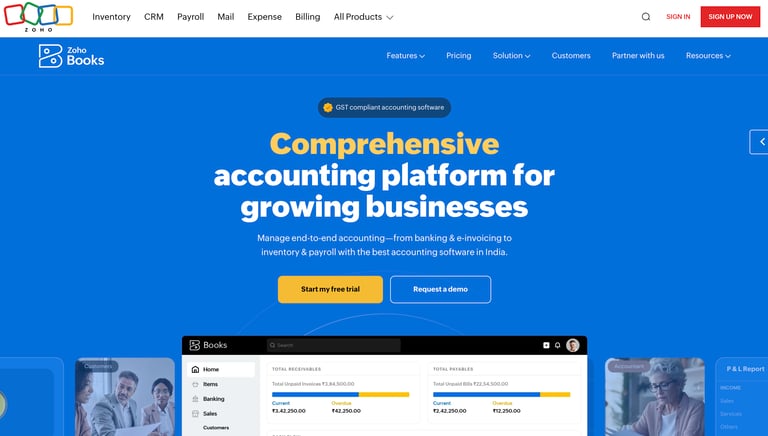
  • QuickBooks or Zoho Books – Handle invoices, expenses, and reports without hiring an accountant early on.

  • Deel or Remote.com – For hiring and paying global talent compliantly.

  • Wise (formerly TransferWise) – Low-fee international payments—crucial for global startups.

  • Stripe Atlas – Incorporate your startup and handle international payments seamlessly.

Pro tip:
Set up your financial stack from day one. Even if you’re bootstrapped, treat your startup like a real company. It’ll save you headaches during fundraising or audits.

8. Developer and Product Tools: For Startups That Build

If you’re tech-first, your development stack matters just as much as your business stack.

Modern essentials:

  • GitHub + Linear – Code management and issue tracking built for speed.

  • Vercel or Netlify – Simplify deployments for web apps.

  • Postman – For testing APIs quickly.

  • Sentry – Real-time error tracking and alerts.

Even if you’re non-technical, knowing what these tools do helps you communicate better with your devs.

Bringing It All Together: A Starter Stack for 2025

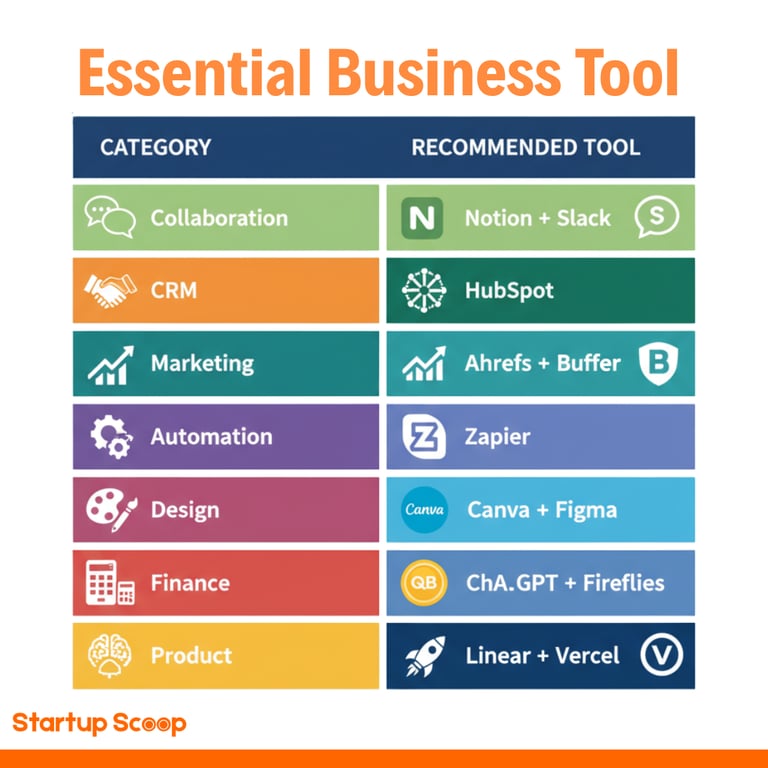
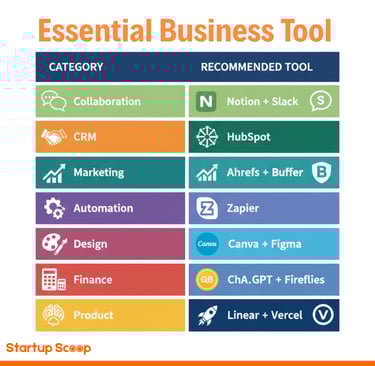
Here’s what an ideal lean startup stack might look like in real life:

That’s all you need to get from idea → prototype → paying customers.

Final Thoughts: Don’t Let Tools Define You

Tools are leverage, not magic.
They amplify whatever process you already have—good or bad.

Startups that scale aren’t the ones with the fanciest stack. They’re the ones who use a small set of tools with discipline—every day, consistently, and strategically.

So start small.
Automate early.
Review your stack every six months.

And remember:
A great tool won’t build your startup.
But the right combination might just help you build it faster, smarter, and leaner.

If you're a Founder --
Subscribe to 👉 Startup Scoop Weekly.

Get one story, one strategy, and one mindset shift — every week - to your Inbox.